5% Window Tint
Automobile glass is one of the most overlooked components in a build. Beyond visibility, the windows make up a huge portion of the exterior aesthetic. The ‘67 Camaro has more glass than any other year, featuring unique front quarter “vent” windows that differentiate it from the 1968 and 1969 models.
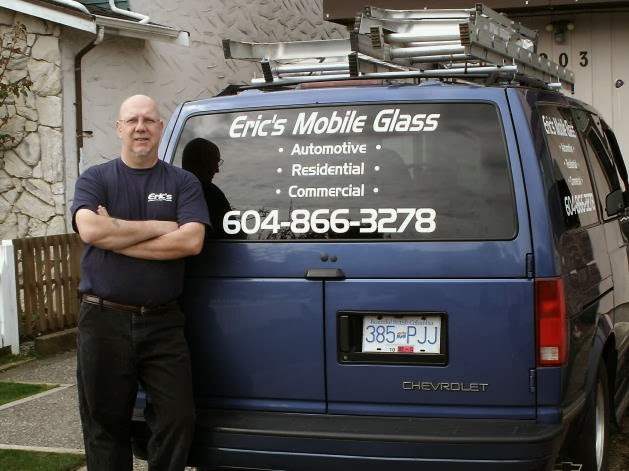
Thanks Eric for installing my rear glass and windshield
Tint is a great way to make a fresh paint job pop. During the painting process, all of Turbo Camaro’s glass was removed. The rear glass was cleaned with mineral spirits and a razor blade, then dropped off at Eclipse Solar Imaging in Abbotsford, BC. We went with a 5% black tint (limo tint), meaning only 5% of light passes through. British Columbia laws prohibit tint on the driver and passenger front windows, so they remain stock.
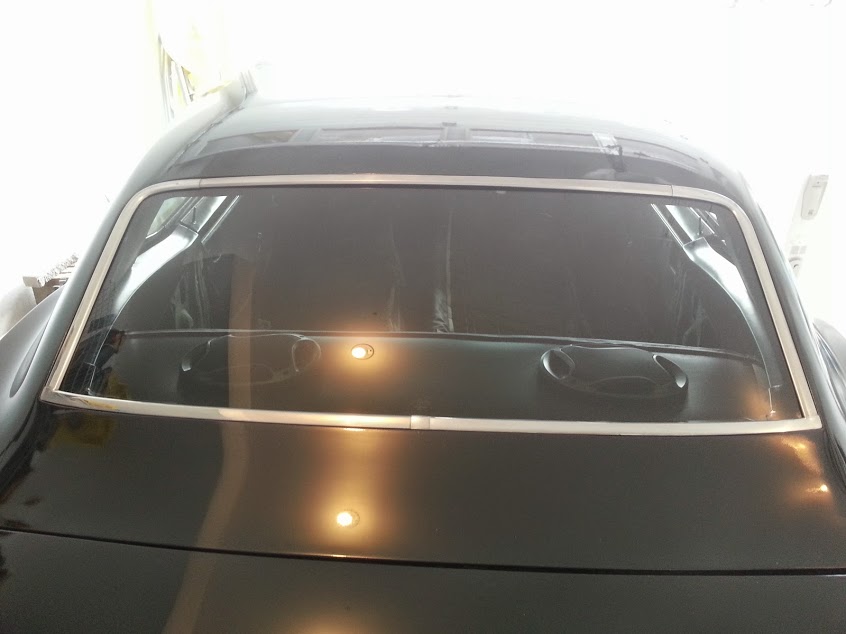
Eclipse did a great job on the tinting
If your glass is out of the car, you should evaluate the condition of the seals. First-generation Camaros originally used a one-piece butyl tape seal. Over decades, these develop air pockets that trap water, leading to rust in the window channels and leaks into the cabin. If you have water appearing on the floor, in the glove box, or even the dome light, your seals have failed. We transitioned to modern urethane products for a permanent, waterproof bond.
Tinted glass installed - the lighting makes it seem clearer
Once the paint was cured and tinting was done, Eric’s Mobile Glass out of Aldergrove, BC, supplied a brand-new windshield and performed the installation right in the driveway. Mobile services are often more cost-effective and allow you to verify the channel prep yourself before the glass is laid down.
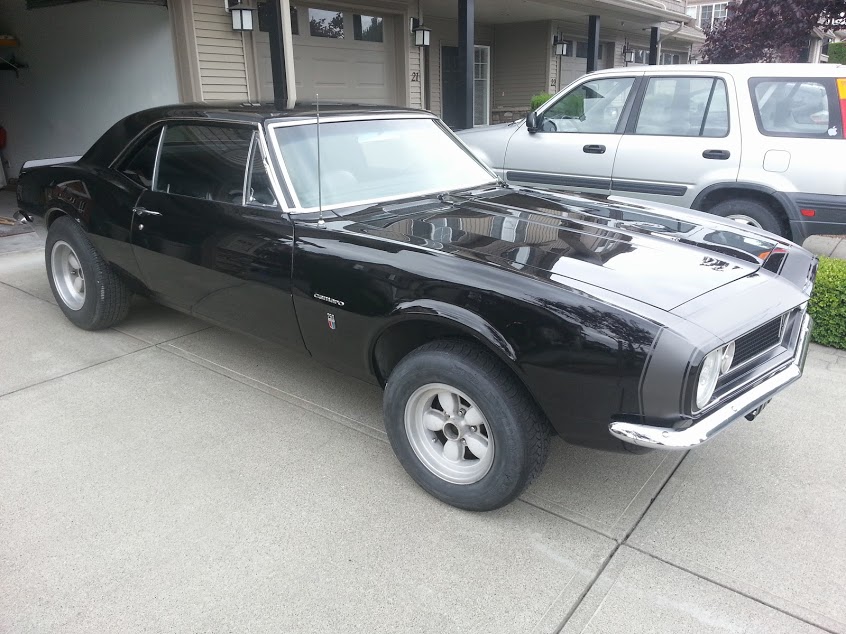
The darkness in the back makes the front look dark too