Custom CompCam Grind
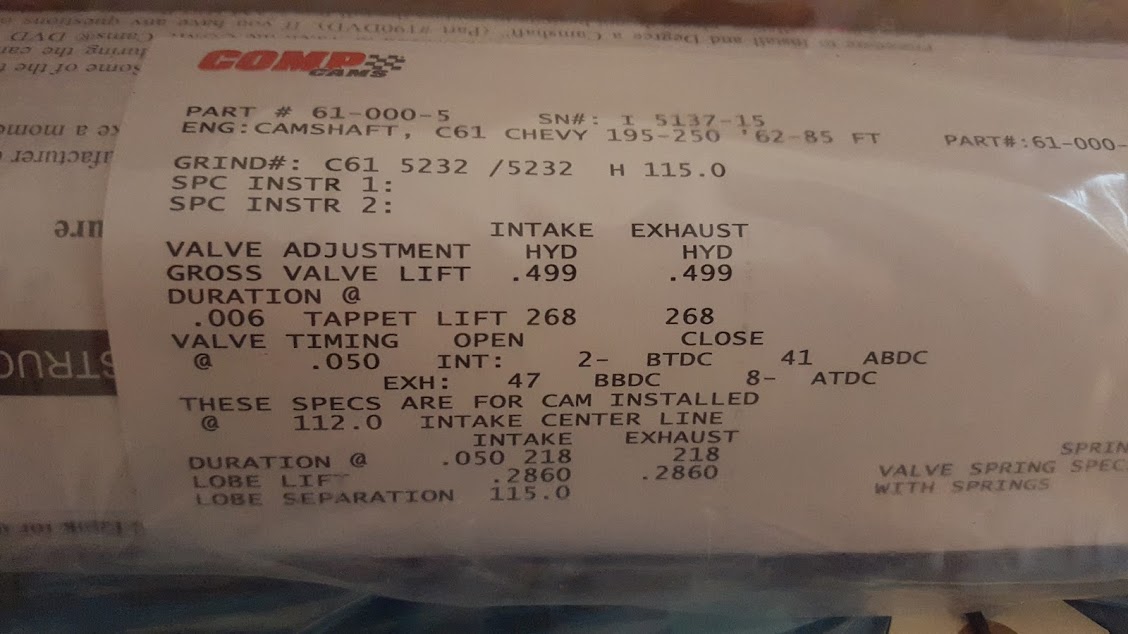
Custom grind cam card specs - Note equal lift/duration and higher lobe separation
No engine rebuild, stock or performance, would be complete without a new camshaft and lifters. The camshaft sets the mood for your engine build; it controls valve timing and, in turn, fuel economy, performance, and idle quality. In order to choose the correct camshaft, you have to consider the parts you have and those you plan to use.
For more technical information on cam specs and selection, check out this unaffiliated guide.
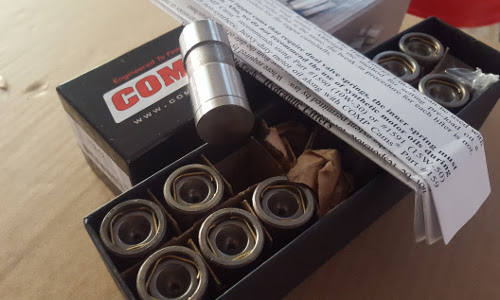
New cam needs new lifters - Model #812-12
Turbo Camaro runs a Chevy 250 inline-6. When picking a cam, the addition of a turbocharger changes the selection drastically. We need a cam that allows the engine to run “normally” off-boost but handles high RPM bursts when the turbo spools. Based on the build plan, the custom C61 5232 grind was ideal.
The strategy here was to keep the intake and exhaust valve duration/lift nearly identical, with a higher lobe separation angle (LSA) to maintain a smooth idle and allow the turbo to build power effectively. It’s a mild cam that should ensure solid daily driver performance.
[Image showing the difference between a stock cam lobe and a high-lift performance cam lobe]
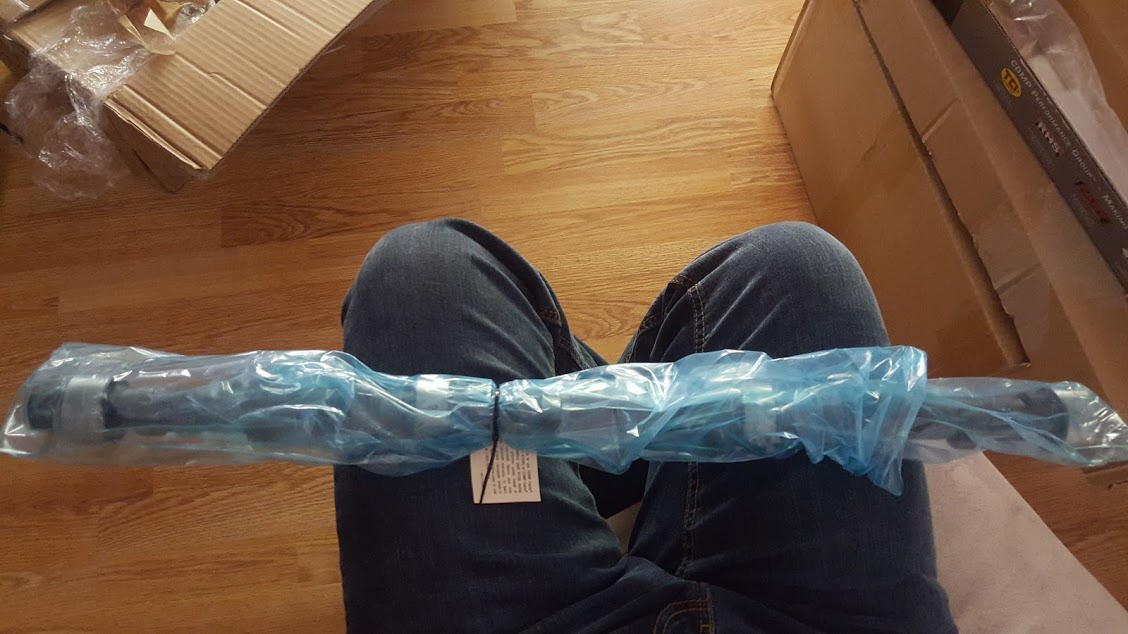
Cam inspected through the bag but not pulled until install
Due to the increase in lift, the stock valve springs won’t suffice. A new performance valve spring and retainer kit (handling up to .530 lift) was ordered from 12bolt.com.
Additionally, the stock fiber timing gear is a known weak link. We’ve opted for a CompCams steel timing gear set. The machine shop will heat-press the steel gear onto the new camshaft to ensure it never shears under load.
Once the above components are installed, further images and information will be added here.